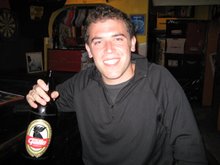
This blog started as a travel blog to reflect and record my experiences backpacking through Latin America in 2007 after I graduated law school and before I started my next job helping to launch a new electoral organization to help elect progressive candidates. For the full context, you can check out the first post, dated 2/27/07.
Since then I’ve updated it with pics and stories from my summer 2016 road trip across the U.S. with my cousin, and also used it as a place to post some of my Phish-related writing. [See the Phans for Racial Equity website for more on what I’ve been up to on that front.]
Now, 12 years after my original trip. I’m grateful to have a three-month sabbatical from my work at Demos. I’m doing some more traveling, so decided to revive this blog once again as a place to record my experiences. My main audience is actually me in a few years—so I can go back and remember the places I saw, the people I met, the food I ate (especially); but I hope some others will appreciate these posts as well.
Although I’m just getting around to posting on 3/9 while on a layover in Seoul between Mexico City and Hanoi, my last day in the office was 2/8 and my travels begun on 2/19 when I left DC a day earlier than planned in order to avoid a pending snowstorm. I flew to Atlanta that night to be sure to catch my flight to Cancun the next day to see Phish in the Mayan Riviera.
Saturday, March 9, 2019

Wednesday, September 6, 2017
Phish Scene So White: Let's Talk
I was at a retreat about four years ago and we were asked
the question, “Who’s your tribe?” It was
a way of getting at one’s identity, where you feel most comfortable, most like
your true self. I immediately thought “Phish
fans are my tribe” because music festivals are my happy place—of course for the
music, but also because of the generous, communal vibe created through a shared
love of that music. I always leave
hoping I can bring a bit of that positive energy back into my “civilian” life.
In the ensuing years, as the Movement for Black Lives took hold and the
nonprofit I work for held several racial equity conversations and trainings, I
began to have a pretty disturbing thought: Damn, my “tribe” is pretty much all
white. (It’s also very male—more on that
at another time.)
In the wake of the hate-fueled violence in Charlottesville,
and amidst the national conversation about
white supremacy it launched, this seems like a good time to talk about race
and privilege in the Phish / jam-band community.
The fact that the fan base is extremely white isn’t
particularly surprising. Phish is a band
of four white guys from Vermont, one of the whitest states in the nation. They developed their fan base at elite
northeastern colleges, which are disproportionately white (and wealthy). They play jam-infused rock, a type of music
that owes much of its roots to black American artists but that has long had a
very white fan base (see: any Grateful Dead concert).
That it’s not surprising, however, doesn’t mean it’s totally
innocent. The fact that Phish built such
a white fan base playing their twist on black music in front of rich college
kids is itself reflective of centuries of cultural appropriation and racial
hierarchy.
Then there’s the question of whether it matters. There’s no bustling movement to integrate
Phish shows. In a country where white
supremacists murder counter-protesters, black people are regularly shot by
police, and Latinos are targeted for harassment and deportation, it seems hard
to get worked up about the demographic mix of Section 119 at Madison Square
Garden. Diversity is important in lots
of places such as democracy, workplaces, schools, and neighborhoods—because it
brings inherent value and ensures equality of opportunity. But, does it matter at a rock concert, or in
a music-based community more broadly?
Probably not as much inherently. The opportunity stakes aren’t nearly as high,
and there’s not necessarily a clear collective goal that would be furthered by
more varied perspectives in a music scene.
It may not be critical to building an inclusive democracy or society
that we all rock out together. But, that
doesn’t mean it doesn’t matter at all: broadly speaking it would encourage
racial healing if we shared more passions across difference. To the extent that racism is rooted in seeing
people who don’t look like us as “other,” seeing people who look different
grooving to the same tunes would discourage this outlook.
And, this intersects with another, related question: Do
people of all types feel comfortable at a Phish show, or is the scene exclusive
based upon race? Whiteness tends to
build upon itself—once a scene or culture is overwhelmingly white it becomes
very difficult for it also to be welcoming for people who don’t fit neatly into
the mold. The same is true of class,
gender, and other lines. We could be
denying people access to a great experience because they are not white—and
that’s a problem.
As I became more aware of systemic racism baked into U.S.
history, politics, law, and culture, I began to notice a few things about our
own beloved Phish community.
Our entire scene is
built upon a foundation of white privilege.
Walking around Magnaball in 2015 I had this disturbing thought for the
first time. A Phish festival is
essentially 30,000 (white) people running around with glitter all over us,
selling all manner of non-FDA approved meals, and openly consuming all manner
of drugs—all while police officers stride around on horses just making sure
we’re safe. Can you imagine 30,000 black
people being afforded the same indulgence in the United States of America in
2017—or at any time in our history?
We’re not immune to
racial bias. Most Phish fans aren’t
overt racists, but I have heard some fucked up shit at shows. And, unfortunately when I have heard the
occasional racist outburst I have not heard anyone intervene and tell that
person his bullshit isn’t welcome in our scene.
(To be clear, I have failed to intervene myself.) Beyond overt racism, we all have our implicit
biases and tend to make assumptions about people based upon shortcuts like
class and race. This is magnified in a
heavily white environment.
It might not be so
awesome to walk around a Phish festival or show as a person of color. At Magnaball I really started to think about
what it might be like to be a person of color walking through a sea of white
Phish fans. Would it be a welcoming
space? Or—especially if you’re a black
male—are many people assuming you’re there to make a buck selling them
something rather than enjoying the music?
While working on this post I’ve had the opportunity to talk
with a number of Phish fans who are people of color, and have learned a bit
about their experience.
First, not everyone feels there’s a problem. Christopher
Jett is a 41 year old of African-American and Native-American heritage who has
seen more than 250 shows since 1994. He
told me, “I have never felt uncomfortable at a Phish show. In fact, that's
where I feel most comfortable in my life period.” “Honestly,” Christopher added, “being a
person of color on tour, especially in the 90's was a positive experience. It
actually helped me become who I am because I was one of two to three people of
color on tour at any given time. Everyone knew me, even the band, and that's
fucking cool.”
Lisa Nolan of North Carolina also saw her first show in
1994, and is a member of a Facebook group of about 50 African-American Phish
fans. She hasn’t seen much racism at
shows, but does encounter a persistent assumption that she can’t possibly be that into the music: “People
are always amazed that I’ve been to as many shows, know as much about the
scene.”
Shaunea Robinson has
been seeing Phish since 2010, and she picked up on that theme. “I'm constantly asked if this is my first
show, even with a faded tour shirt on,” Shaunea told me. “I took my fiancé (who is not at all a Phan)
to Magnaball, and people constantly assumed because he was a white man that he
brought me along. They would speak to
him and not even acknowledge me, then get surprised when he told them it was
only his second time seeing the band, but I'd seen over 30 shows. These days, if I'm doing a show solo, I'll
avoid conversation, just so I don't have to see the surprise on someone's face
when they find out I'm actually knowledgeable about Phish.”
Beyond that, Shaunea
told me that negative encounters are rare, but she’s had experiences that “have
ranged from weird to awkward to downright hostile,” including being accused of
selling fake tickets.
Jamie is 36, and has
been attending jam-band shows with her 46-year-old African-American husband
Alex (who saw his first Phish show in 1991) for 18 years. She had a much more frustrating story to tell
about their experience. Jamie wrote that
Alex is constantly asked where the bathroom is (“100x a night, no
exaggeration”) because people assume he works at the venue, despite that fact
that he’s “clearly wearing a Phish shirt with sunglasses and a Grateful Dead
hat, and still all of this happens because hundreds and hundreds of people each
run can only see his skin color, not that he could maybe be a potential Phish
fan.” She says that their time together
“usually gets intruded on by arguments with racist frat boy types” and while
they encounter this problem at lots of concerts, “it's always waaaaaay worse
than anywhere else at a Phish show.” She
continued:
Racism happens at 100% of
Phish shows, both blatantly and drunkenly and by those just inexperienced and
sheltered… Some people think he's the token 'cool black
dude' at shows and he hates it and would rather they go away and let him dance.
Mostly it's people thinking he works there…and it happens every 5 minutes…. It
really is a buzz kill and puts a damper on his weekend and all of the fun that
it was supposed to be, to realize that even in the place he was hoping to have
the most fun and be the most free and blissed out, people still see him only as
his shade of melanin, and that the world, even the more fun part of our lucky
world, is still full of race stereotypes.
In sum, a Phish show
is clearly no Trump rally, but I think it’s fair to say at minimum that our
beloved scene hasn’t been welcoming for all people at all times.
So, what can we do?
First, I think we white
Phish fans need to start having this conversation. It’s our responsibility to address the
challenges in our community. Most
of the fans of color I spoke with—even the ones who’ve generally had good
experiences—were excited to hear that I was attempting to spark a conversation
about race among white Phish fans, especially about the white privilege.
Shaunea told me she has a good crew
that makes her feel comfortable “but other times, when I have brought up the
issue of race and racism in the scene, I'm either silenced or derailed with
‘love and light’ rhetoric. It's disappointing, because for a group that is
generally socially conscious and left-leaning, a lot of white Phans seem to
turn a blind eye to racial disparity.”
Jamie says when she’s brought up her husband’s negative experiences in
the past people accused her of making it up.
I’m not sure that our overarching goal should be to make the
scene more diverse. If fan diversity
increases as a result of making our community more welcoming, great. But, the last thing we should do is try to
drag our friends who are people of color into our scene to make ourselves feel
better. And, as noted above, diversity
isn’t as inherently necessary or valuable in a music scene as in other aspects
of our lives.
I think our dual goals should be to make the scene as
welcoming as possible for people from all kinds of backgrounds; and to be more
aware of our tremendous privilege, and bring that awareness into the other
aspects of our lives in the form of a responsibility to fight racial
oppression.
On the first
front—making our scene more welcoming—I can think of a couple of things that would
help.
Be race conscious,
not color blind. Research shows that
being aware of our own biases can help combat them. So, don’t pretend you don’t see race. Acknowledge difference and the background
assumptions that can come along with that, and make a direct effort to treat
fans of color just like everyone else.
Lisa summed it up well: “As a fan of color, I just want to be treated
like any other ‘phan.’ I'm there to share in the groove just like everyone else
there.”
Be on the lookout for
unwelcoming behavior and intervene.
Let’s commit to each other that whenever we see or hear anything that
would make our scene less comfortable for people of color (or women, LGBTQ
folks, people with disabilities) we will proactively intervene and make it
100-percent clear that such rhetoric or behavior is not welcome in our
community. This could be micro-aggressions against people of
color (like assuming they work at the venue or are vending), or racist comments
or jokes among an all-white crowd.
Next, we must
acknowledge our privilege and treat it as a responsibility.
Can we turn our
community into a force for racial equity?
Folks in the Phish/ jam-band community are already a pretty progressive
bunch. You can probably count the number
of Trump voters at any show on a few hands.
And though the band is famously apolitical, drummer Jon Fishman was
quite vocal in his support for the 2016 Bernie Sanders campaign.
But, can we take that base and turn the community into the
strongest band of white anti-racists around?
Can we model what it means to create a welcoming majority-white space at
our festivals and shows? More important,
can we embrace the responsibility we have as people whose happy place is
steeped in privilege, and use the realization that people who aren’t white
wouldn’t be allowed to enjoy our favorite thing as motivation to smash racial
hierarchy in this country?
In other words, can we as a community get active in fighting
racism on the issues that really matter?
To take one example: mass incarceration and over-policing in communities
of color. If the police searched us as
aggressively as they do black people a good chunk of us at any show would go to
jail.
I think these should be our collective goals. And I’d be very excited to be part of a
conversation about how to get there. Or
about different, better goals. Let’s just
start talking about race in the jam band world.
If you’re interested in being part of a conversation about race in the
jam-band community, please email Adam at phansforracialequity@gmail.com.
Wednesday, August 9, 2017
Why You Shouldn’t Talk During the Music at Concerts (and Especially Phish Shows): From the Guy Who Will Occasionally Ask You to Quiet Down
You’re out at a concert with some good friends—maybe some
folks you haven’t caught up with in a while.
Perhaps a particular song isn’t your favorite so isn’t holding your
attention. Or maybe you’re pretty into
the music and it’s making your mind race and wander so you want to loop your
friends in on what you’re thinking. Your
friend seems into chatting too, so no harm done, right?
Not quite. In my view (and that of many music fans), you should really do your best to hold the conversation until set break or after the
show.
First, to clarify: getting to know your neighbors is a great
thing to do at a show. It contributes to
the communal vibe and helps everyone have a great time. I typically ask people next to me where
they’ve come in from (since a large percentage of folks at any Phish show have traveled
from somewhere else); and learning a bit about their lives and sharing our
experience makes the show a lot more fun for me. And, of course, you’ll want to bond with the
friends you’re come with. The only time
not to hold a full-fledged conversation is when the music is actually playing.
Here's why.
The people around you
can hear you—and it can be super-distracting. You may not realize how your voice can carry,
but the person directly in front of you likely has your conversation coming
directly into her ears, competing with the music, which is emanating from
speakers not nearly as proximate. The
people behind you can see and hear your conversation, forcing them to look over
/ through you to try to stay connected to the show.
Some people struggle to stay dialed in to what’s happening
on stage even without any distractions.
Staying present and paying direct attention for hours straight is
getting harder with every minute we spend glued to our smartphones; and depending
upon what’s happening in people’s lives, what substances they’ve ingested that
night, people’s minds can wander. It’s
that much harder to be present and connected to the music when someone’s conversation
is ringing in your ears. For some people
around you, your talking might reduce their enjoyment marginally. For others it might make the difference
between an amazing, connected experience and a missed opportunity. Either way, why do you want to reduce your
neighbors’ fun?
Most people won’t say
anything to you—but that doesn’t mean you’re not bothering them. I don’t think folks should be talking during
shows because of how it affects others’ experiences (see more below) and I am
not shy so if you’re talking around me I’ll likely ask you (as nicely and
sincerely as I can) to quiet down. But,
I’m pretty rare. Many times when I speak
up it’s actually on behalf of someone else I can tell you’re distracting but
who is unlikely to say anything. I’ve
been to more than 40 Phish shows with one particular friend and I can’t tell
you the number of times I’ve seen him distracted by “chompers” (that’s
right—there’s a nickname for talkers in the Phish world, which kind of makes my
point that people get bummed out by it).
I’m more naturally extroverted and perhaps more comfortable with
confrontation than he, so I tend to intervene—and he and others will often
thank me for doing so. Most of the time
when I say something, people can tell I’m being sincere and apologize and stop
talking. Not always, but more often than
not.
We’re all creating
this experience together—and you’re not helping when you’re not in it with me. A Phish show is a collective experience. The band is leading the way, but the audience
is an essential ingredient. Because the
band is improvising, reacting off of our energy, our role is a bit more than
just being along for the ride. With a
collective experience like this, at some level you’re either contributing to
the experience (dancing your ass off, throwing light sticks, filling up your
neighbor’s water bottle when you go take a piss) or detracting from it
(er…talking…that’s pretty much the only way, aside from getting too drunk and
being belligerent). Think about being on
a sports team. Each teammate is either
contributing to a winning culture by practicing hard, understanding her role,
etc. or detracting from it by slacking off, hogging the ball, undermining the
coach. People are rarely neutral
influences.
Would you enjoy the show
more or less if everyone in the arena was talking? Back in college philosophy class I learned
about a way to tell if something’s right or wrong usually associated with Kant:
if everyone did it would the system break down?
This is how I know it’s wrong to litter even though my one piece of
trash won’t make a big difference: if everyone litters our cities and streets
are filthy places to live. Well, ask
yourself: if everyone was acting like I’m acting, would a Phish show be more or
less awesome. If your answer is “less
awesome” it’s probably a good signal that you should reconsider your course of
action.
So, to wrap up, here’s my sincere request. First, do your best to keep the talking to a
minimum when the music is playing. A
quick comment here or there—totally fine.
A full-fledged conversation—not cool.
Next, make an extra effort to be aware of your surroundings and your impact on other
people. If someone keeps looking at you
when you’re talking, it’s likely because you’re bothering him but he isn’t
quite willing to say anything.
Finally, if someone does ask you to quiet down please
understand that this is not because that person is being a dick or trying to
ruin your night or tell you what to do.
It’s because your actions are making her show less fun and rather than
stew about it or accept a situation that is probably having a similar effect on
others, she is doing the best possible thing: speaking up nicely and giving you
the opportunity to be gracious and contribute more helpfully to the collective
experience. Please assume good faith and
be gracious and grateful, not snarky and offended. Everyone in your section will appreciate it,
and the anti-talker just might buy you a beer after the show.
Monday, August 7, 2017
What’s the Deal with Phish, For Those Who Aren’t Fans (But Love Hamilton)
You may have heard that the jam-rock band Phish just wrapped up a 13-night stand at Madison Square Garden—a run the band has dubbed the
“Baker’s Dozen.” The Garden has been
pretty full every night, and as word spread of how hot the band’s playing has
been the final few shows have sold out. With
the end of this run, Phish will be in the top handful of bands in terms of the
total number of shows at “the world’s most famous arena” (at 52)—keeping company like
Elton John, The Grateful Dead, Billy Joel, and the Boss.
When I’ve told friends, work colleagues, and all manner of
non-“phans” about the 13 shows; that I’ve come up twice from DC to see a total
of four; and that I know a few people doing all dozen (+1); most people react
with a bit of bemused curiosity. Why
would anyone go see the same band so many times? What is it with this weird band and the
subculture of people who follow them around?
Didn’t this whole hippie thing die out with Jerry Garcia 20 years ago?
Well, here is my attempt to explain, for the benignly
curious.
Each show is
completely unique. For starters,
it’s important to point out that Phish will not repeat a single song over its
entire 13-night MSG run; so each show will be entirely different than all the
others. They can pull this off because
of an extensive catalogue of songs, their willingness to mix in covers (more on
this below), and the fact that they at times extend a single song to 25 or 30
minutes—so even with two sets and a good 2.5 hours of music they are not
playing as many tunes as another band might in just an hour and a quarter.
From this perspective, seeing Phish 4, 5, or 13 times at MSG
is less like going to see Hamilton several times in a row; and more like if Lin
Manuel Miranda set up shop at a Broadway theatre for 13 nights and produced an
entirely new play each night—mixing together songs you love from his various
plays and throwing in some new stuff you’d never expect from him. If you’re a Miranda fan, you might not be
satisfied by going to one show—you might try to get to as many of those as you
could.
You’re part of
something, not just observing. Most
rock shows—even great ones—are heavily produced. The Stones or U2 will play a pre-determined
list of songs in largely the same way they did the night before and the
audience is there to witness. Sure,
there might be a sing-along at some (usually predictable) point; but there’s not
that much actual interaction between band and fan.
Not so at a Phish show.
Because the music is intensely improvisational and the band usually
doesn’t know what they’ll play before they get on stage, the audience is not
behind the metaphorical “third wall” witnessing something preplanned. Rather the band and the audience are part of a
collective experience everyone is helping to shape. The epitome of this was something from the 1990s called “Big
Ball Jam” where the band threw a large inflatable ball out into the audience
and based their playing on how the fans manipulate the ball—throwing it around
quickly, holding it for a pause, etc.
This is happening in more subtle ways throughout each of their shows—musicians
feeding off the energy of the crowd and vice versa. This is one reason nobody sits down at a
Phish show—it just wouldn’t work if the band was playing to a group of politely
seated, golf-clapping aficionados.
They’re hosting a party and you’re a valued guest. Nobody can throw a great party on their
own—even the best hosts need their guests to get into it, let their hair down
and join the fun.
In this way, the Hamilton example above isn’t quite
right. It’s actually more like if Lin
Manuel Miranda was producing 13 different shows and needed you and your friends
to help him pull it all together—he’ll actually choose different songs and put
a different accent on each riff depending on the vibe in the room. It’s a pretty fun thing to be part of.
The music builds to
euphoric crescendos throughout the night.
Phish specializes in a particular type of somewhat
orchestral style—both in their composed music and their extemporaneous
playing. Several times throughout the
evening, Trey, Page, Mike, and Fish will take the audience on a journey that
builds from a base that can be at times even quiet and contemplative steadily
forward through 10 to 15 or even 20 minutes towards a euphoric peak where the
whole building is jumping around, screaming, throwing light sticks and
generally losing their minds in the best possible way. This is all helped along by Chris Kuroda who
runs the lights and is often
referred to as “the fifth member of Phish” because of how he needs to be
seamlessly in tune with the musicians to help create the holistic experience
that tends towards euphoria.
A friend told me she heard the Phish scene described as a
“secular mega-church” and these crescendo jams are our speaking-in-tongues
moments. It can be cathartic and
healing. The same friend told me how her
stresses at work melted away as the band took her on this journey at Saturday
night’s show. I’ve long thought that one
reason Americans are more church-going than residents of other countries is
that we don’t have any other place in our culture (like soccer games, pubs) for
singing together, which I think is a primal human need.
The vibe is fun, creative,
and communal—not snobby. Each member
of Phish is a virtuoso at his instrument, and fans are known to endlessly
dissect the music in the chat rooms, etc.
Like in any subculture, some Phish fans can get competitive about how
many shows they’ve seen or passionate about exactly which era of the band’s
history or version of their favorite song is the pinnacle. But, most people are just happy to be there
and the band doesn’t take itself too seriously, and this comes through clearly
at the shows.
One example from this MSG run sums it up nicely. As noted, the band dubbed the 13 shows the
“Baker’s Dozen” (buy 12 tickets and get your 13th free); each show
has been themed around a donut flavor and featured songs related to that
flavor. Saturday, 8/5’s theme was
“Boston Cream,” so everyone was expecting them to cover songs by Boston and
Cream. What they did was play a “More
Than a Feeling” / “Longtime” medley squeezed into the middle of a hard-rocking
“Sunshine of Your Love,” ultimately melding the songs together into a fun,
creative jam. Afterwards lead singer and
guitarist Trey Anastasio quipped “we put together this whole thing just so we
could do that.”
For Halloween, the band puts on a “musical costume” and
covers an entire essential album by a great band (I got to see the Rolling Stones’ “Exile on Main
Street” in 2009). For New Years,
they often pull elaborate stunts or pranks.
The drummer occasionally
plays a vacuum cleaner as a musical instrument on stage. One song routinely features Trey and Mike jumping up and down on
trampolines. This is not a band that
gets too precious.
Out in the audience the snobs who would judge you for being
a newbie are few and far between. The
general atmosphere is generous and communal.
People talk to their neighbors (not during the show, please); find out
where they’re from, share beer, water, and…other stuff; and a seating section
often feels like a party of new friends-for-a-night. When it’s all over people wish their new
friends well and hope to cross paths again at another show.
There is an important caveat to this: a Phish show is an
overwhelmingly white scene. For people
of color and white folks who care a lot about racial equity it’s quite a bit
more complicated than what I’m describing above. Phish fans are generally a pretty
progressive, chill group of white people but that of course doesn’t mean there
aren’t blind spots, white privilege (open consumption of drugs without
consequence, anyone), and everything else that comes along with a culture where
whiteness is a monolithic default around which anyone else needs to
navigate. I don’t think this whiteness
has particularly sinister origins—the band consists of four white members from
Vermont, one of the whitest states in the nation, so it’s not surprising they
would build a primarily white fan base.
But it is complete enough that it builds upon itself such that people of
color may not feel comfortable at the shows.
The Phish / jam band community would do well to put some serious thought
into how to make our beloved scene (which can feel like a tribe in some good
ways) a more welcoming space for people of all backgrounds and types.
There are also a hell of a lot more dudes than women—it’s
one of the few places where you’ll see the men’s bathroom lines snaking much
longer than the women’s (a bit of poetic justice). As far as I can tell the sexism / misogyny
that tends to come along with that is fairly well in check but I’d be
interested in what my women Phish fan friends think of that and as I’m writing
this I’m realizing I’ve never had the decency to ask—I should get on that.
They go all out for
their fans. The care and creativity
put into the Baker’s Dozen (complete with a free theme-night donut upon entry)
is exemplary of the general attitude Phish has towards its fan base. Every two-to-three years they’ll stage a
multi-day festival (one of the few bands who can pull that off with no other
acts on the bill) where this comes out in full force. In addition to three straight nights of great
music there will be art instillations, rides (a big
Ferris wheel at a recent festival) daytime and “secret” late-night sets,
and (critically) aggressively clean port-a-potties. The fans are coming for the music, not the
extras—so they could pocket plenty more cash if they went barebones; but it
appears they genuinely care about their fans’ experiences and want everyone to
have as much fun as possible. Bassist
Mike Gordon is even known for riding around festivals in a golf cart and saying
hi.
The music, the music,
the music. Last, and MOST (not
least), Phish is a great rock-and-roll band that has been together for nearly
35 years, filled with members who are brilliant individually and deeply
connecting to each other, and is playing at or near the peak of their
game. What they are doing musically
right now is certainly special and possibly
historic. Jam bands might not be
your thing, but if you’re a music fan generally this is something at least
worth checking out.
When you add it all together you get an experience that is
unique, collective, and euphoric. It’s
hard to appreciate what’s going down “in the room where it happens” unless
you’re actually there. So, next time
Phish comes to your town, consider giving one show a try. It might not be your thing, but I’ll bet when
you leave you’ll at least understand why other people are so into it. And, you never know…one show just might turn
into 13.
Friday, November 4, 2016
Phase 2: Phish @ The Gorge (July 14-17)
Here are a few shots from the venue to give folks a feel for what it's like.
First, a good shot of Marc, Kevin, and me down near the stage.

This shot from before showtime gives you a good sense of how the stage is nestled into the Columbia River Gorge.

Marc's super power is that he can nap at any point. This is especially valuable during festivals when sleep can be scarce and yet it's critical to keep one's energy up for dancing.

Here's an impromptu jam session on "Shakedown Street," which is the main area for non-official vending (named after the Grateful Dead song).

First, a good shot of Marc, Kevin, and me down near the stage.
This shot from before showtime gives you a good sense of how the stage is nestled into the Columbia River Gorge.
Marc's super power is that he can nap at any point. This is especially valuable during festivals when sleep can be scarce and yet it's critical to keep one's energy up for dancing.
Here's an impromptu jam session on "Shakedown Street," which is the main area for non-official vending (named after the Grateful Dead song).
Phase 2: The Road to Phish @ The Gorge

After dropping my stuff off in Berkeley, parting ways with Missy, and getting to spend just one night with Mei-Wah, I headed to my friend Marc's place Wednesday to begin our 14.5 hour journey to the Gorge Amphitheater to see Phish.
For those who haven't been to the Gorge I can't recommend it highly enough. This was my third time back to see Phish, and it rivals Red Rocks as one of the greatest venues in the country. While Red Rocks may have a slight edge in natural beauty I love the Gorge because it is a world apart a couple of hours east of Seattle; and critically you can camp right at the venue so you park your car, set up your tent, meet the neighbors, stash your cell phone, and have not a care in the world for a few days.
First we needed to head to the airport in Seattle to pick up our friend Kevin who was flying in from DC.
But, first, we needed to stop at Chick-Fil-A, where Marc had never been.

Now, I know what you're thinking; but never fear. Chick-Fil-A, in my opinion, makes hands down the best fast food in the U.S. That chicken is flat out delicious. And, yet, the folks that own the company are not so down with the gays. And, in the past they've used the profits from their delicious chicken to contribute to anti-gay causes--such that some call it "hate chicken." That's not cool.
But, I discovered a few years ago that some geniuses started a great website called ChickenOffsets.com where you can make a contribution to gay rights organizations to "offset" your enjoyment of a Chick-Fil-A sandwich. So, rest assured that I've visited that site often to atone for my addiction to the perfect Southern fried chicken breast on a hot buttered bun with a pickle and a bit of added mayo. [Marc insisted it was nothing special at the time but later admitted to me that he's been thinking about it ever since.]
A few Phish-related street signs witnessed on the way up north.


Then, dinner at a local landmark called Omars.


Marc and I crashed for the night a few hours after dinner, and then headed to pick up Kevin the next morning.
On the way from Seattle to the venue we made a stop at the Red Horse Diner, which I thought my Uncle Mark (who gave me the ExxonMobil gas card) would appreciate.

Monday, October 31, 2016
Day 12: Wrapping Up Phase 1 in Berkeley (Tues, 7/12/16)
We drove as far as we could on Monday before stopping over for the night and putting ourselves just 4-5 hours out of Berkeley. As I mentioned, we had decided to cut Yosemite so we were now just heading into the Bay Area so I could spend one night with Mei-Wah before heading out on Phase 2 of my adventure: Phish at the Gorge.
We hit Murray Family Farms in Arvin, CA on the way.

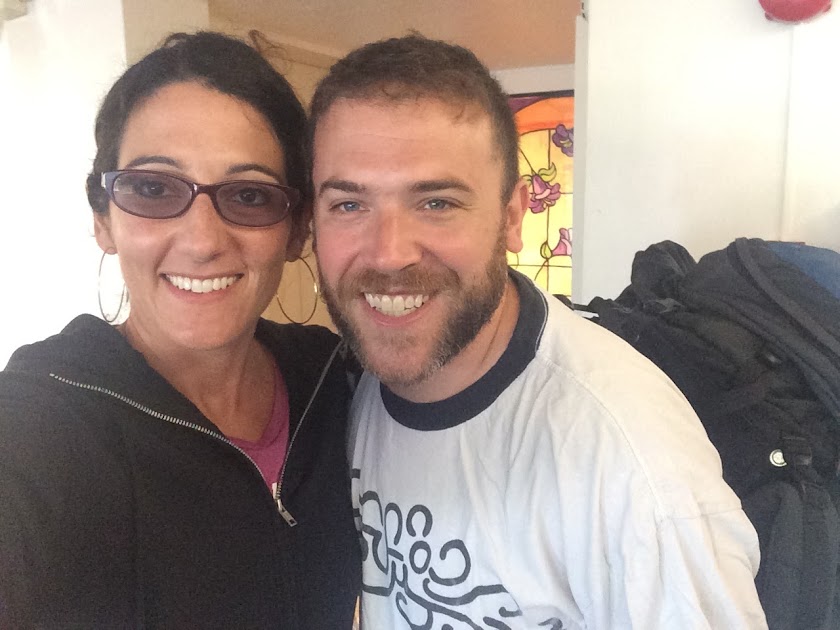
And, here we are at my new front door--Mei-Wah and my apartment building lobby in Berkeley.
A few reflections to close out this phase of the trip (although you'll see from the post-date that I'm actually writing this several months later).
First, Missy and I are not just forced family--we really like each other. We are quite different people in a lot of ways (not the least of which: musical taste); but in spite (or because) of that we had a great time bonding over many hours on the road. We are the same age, but grew up in different cities and so only saw each other a few times a year. This was definitely our most concentrated time together and it was truly fun. I really appreciated the company, as this was a trip I had to make anyway--it wouldn't have been nearly as entertaining on my own.
Next, I want to give big thanks to Ryan and Christina, friends who travelled the world for a year on their honeymoon--including hitting 35 national parks here in the U.S. They kept a great blog of their adventures, and to plan this trip I basically pulled up their blog, checked out their recs for national parks, and planned our route accordingly.
Finally, this trip reminded me of two important things. First is the importance of true relaxation when one can fully unplug from work and other life stresses. This trip was scheduled for a perfect time--I had wrapped up a large work project at the end of May and after winding down my life in DC for a month I was scheduled to take three full weeks off for this adventure (including the Phase 2 Phish shows). Alas, the vagaries of the federal court system conspired against this well-laid plan, and I ended up with a brief due the day after I was supposed to return to the office. This meant I had to stop over and work on my brief from time to time while on the road--but the biggest impact was mental. Rather than being care free and truly unplugged as planned, I had this important item hanging over my head the whole time. So, when I arrived in CA instead of feeling refreshed I was feeling drained.
Next, traveling is very fun, and I look forward to being able to schedule a longer adventure at some point. The first part of this blog covers my 6.5 month solo adventure in Latin America which was an amazing experience. That trip was originally supposed to be 3.5 months, which sounded like a lot from my living room in New Haven. But, it wasn't too long before I realized that traveling in a way that allows one to be open-minded about new experiences and really explore one's surroundings requires time. So, sitting in Buenos Aires about a month in I made one of the best decisions of my life--to forget about taking the bar exam for the time being and extend my trip. This new 6 month plus adventure sounded quite long to my friends and family in the U.S.; but it was still on the shorter side for many of the new friends I met at hostels, who were often traveling for a year or more.
Now I have a partner and I look forward to being able to get some time of to explore the world together.
We hit Murray Family Farms in Arvin, CA on the way.
And, here we are at my new front door--Mei-Wah and my apartment building lobby in Berkeley.
A few reflections to close out this phase of the trip (although you'll see from the post-date that I'm actually writing this several months later).
First, Missy and I are not just forced family--we really like each other. We are quite different people in a lot of ways (not the least of which: musical taste); but in spite (or because) of that we had a great time bonding over many hours on the road. We are the same age, but grew up in different cities and so only saw each other a few times a year. This was definitely our most concentrated time together and it was truly fun. I really appreciated the company, as this was a trip I had to make anyway--it wouldn't have been nearly as entertaining on my own.
Next, I want to give big thanks to Ryan and Christina, friends who travelled the world for a year on their honeymoon--including hitting 35 national parks here in the U.S. They kept a great blog of their adventures, and to plan this trip I basically pulled up their blog, checked out their recs for national parks, and planned our route accordingly.
Finally, this trip reminded me of two important things. First is the importance of true relaxation when one can fully unplug from work and other life stresses. This trip was scheduled for a perfect time--I had wrapped up a large work project at the end of May and after winding down my life in DC for a month I was scheduled to take three full weeks off for this adventure (including the Phase 2 Phish shows). Alas, the vagaries of the federal court system conspired against this well-laid plan, and I ended up with a brief due the day after I was supposed to return to the office. This meant I had to stop over and work on my brief from time to time while on the road--but the biggest impact was mental. Rather than being care free and truly unplugged as planned, I had this important item hanging over my head the whole time. So, when I arrived in CA instead of feeling refreshed I was feeling drained.
Next, traveling is very fun, and I look forward to being able to schedule a longer adventure at some point. The first part of this blog covers my 6.5 month solo adventure in Latin America which was an amazing experience. That trip was originally supposed to be 3.5 months, which sounded like a lot from my living room in New Haven. But, it wasn't too long before I realized that traveling in a way that allows one to be open-minded about new experiences and really explore one's surroundings requires time. So, sitting in Buenos Aires about a month in I made one of the best decisions of my life--to forget about taking the bar exam for the time being and extend my trip. This new 6 month plus adventure sounded quite long to my friends and family in the U.S.; but it was still on the shorter side for many of the new friends I met at hostels, who were often traveling for a year or more.
Now I have a partner and I look forward to being able to get some time of to explore the world together.
Subscribe to:
Posts (Atom)